The Allure of Risk: Understanding Gambling Behavior
The psychology of gambling is deeply intertwined with the human experience of risk and reward. For many, the thrill of placing a bet taps into a fundamental aspect of our nature—our desire for excitement and unpredictability. When people engage in gambling activities, they often find themselves caught in a cycle of anticipation and hope, waiting for the possibility of winning. This rush can be intoxicating, triggering the release of dopamine, a neurotransmitter associated with pleasure and reinforcement. Engaging in poker online real money exemplifies this behavior, as players feel both excitement and anxiety while pursuing potential winnings.
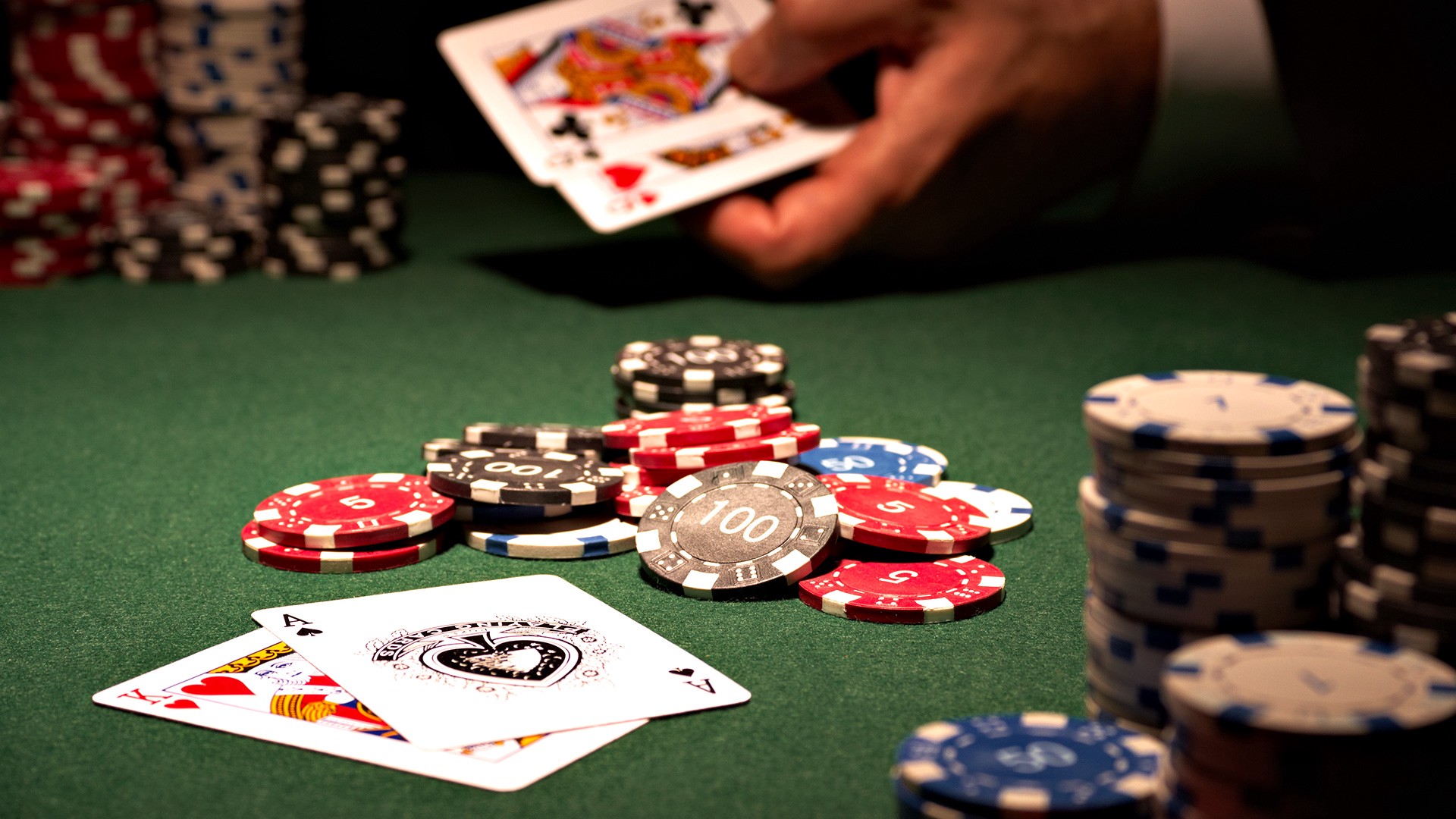
Moreover, the design of casino environments plays a crucial role in amplifying this allure. Casinos are crafted to be visually stimulating, filled with bright lights, dynamic sounds, and a fast-paced atmosphere that heightens emotions. This sensory overload enhances the gambling experience, making it more engaging and difficult to resist, driving players to wager more in pursuit of that elusive win.
The Role of Cognitive Biases in Gambling
Cognitive biases significantly influence why individuals gamble and how they perceive their experiences. One prominent bias is the illusion of control, where gamblers believe they can influence the outcome of games through skill or strategy, even in purely chance-based activities. This belief can encourage more gambling, as individuals may overestimate their abilities and underestimate the randomness involved.
Additionally, the availability heuristic plays a role, where people rely on immediate examples that come to mind. For instance, someone might recall a recent big win by a friend and use that memory as a reason to gamble themselves. These cognitive distortions contribute to a skewed perception of odds, leading many to engage in gambling despite the inherent risks.
Emotional and Social Elements of Gambling
Gambling often serves as an emotional escape for individuals seeking relief from stress, anxiety, or boredom. The act of playing can provide temporary distractions and a sense of control amidst chaotic life circumstances. Many people turn to casinos not just for the potential monetary gain but for the social interactions and camaraderie that accompany the experience. Sharing moments with friends or meeting new people in a lively gaming environment adds layers of enjoyment to the activity.
Further, the competition element inherent in gambling fosters a sense of belonging. Players may feel part of a community, whether in a brick-and-mortar casino or an online platform. This social aspect can enhance the overall appeal, making gambling a multifaceted experience that surpasses mere financial transactions.
The Impact of Technology on Gambling Behavior
In recent years, technological advancements have revolutionized the gambling landscape, influencing how people engage with games of chance. Online casinos and mobile gaming apps have made gambling more accessible than ever, contributing to increased participation rates. The convenience of gambling from home or on-the-go allows individuals to indulge in their desires with few barriers, often leading to prolonged sessions that can escalate into problematic behavior.
Moreover, the integration of gamification elements in online gambling further blurs the line between gaming and gambling. Features such as leaderboards, rewards systems, and personalized experiences create an addictive cycle that keeps players returning. This digital landscape presents unique challenges for regulating gambling behavior, making it crucial for stakeholders to understand the psychological impacts of these technologies.

Understanding Gambling for Safer Experiences
Given the complexities of gambling psychology, fostering an understanding of these underlying factors is essential for promoting safer gaming experiences. As individuals explore the thrill of casino gaming, it is vital to recognize the implications of behavioral patterns and cognitive biases that might lead to excessive gambling. By raising awareness and encouraging responsible gaming, we can help mitigate the risks associated with gambling.
Resources are available to guide those involved in gambling activities. Whether it’s support for individuals seeking to manage their gambling or tools for casinos to promote responsible behavior, understanding the psychology behind gambling can lead to healthier habits. Recognizing when gambling ceases to be a source of enjoyment and becomes a challenge is key to maintaining a balanced approach to this popular pastime.