The Allure of Gambling: Understanding Attraction
The fascination with casino gambling is rooted deep in the human psyche. Many individuals are drawn to the thrill of risk-taking and the prospect of winning big, often perceiving casinos as modern-day treasure islands. This attraction is fueled by the allure of instant gratification, where the potential for immediate rewards can overshadow the risk of loss. The sound of slot machines, the glitz of lights, and the atmosphere of excitement create a sensory experience that captivates patrons, offering an escape from everyday life. Among the various options available, some players might find themselves interested in the best non gamstop casinos that offer unique platforms for their gaming adventures.
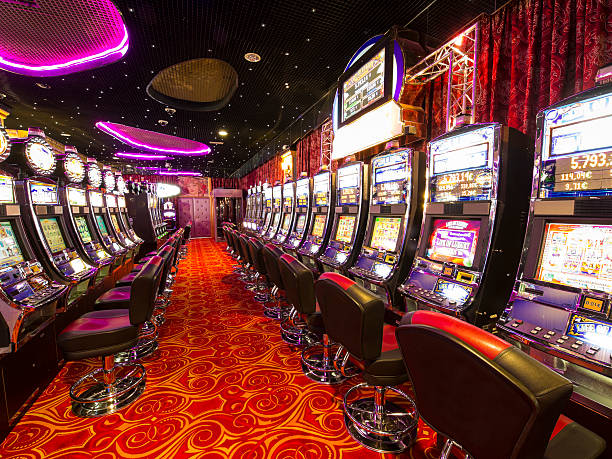
Additionally, the social environment of casinos plays a significant role in attracting individuals. Casino gambling promotes interaction among players, often leading to a sense of community where people share their experiences and victories. This social dynamic enhances the enjoyment of gambling, making it not just about winning money, but also about the shared excitement and camaraderie that accompanies the activity.
The Role of Cognitive Biases in Gambling
Cognitive biases significantly influence gambling behavior, leading individuals to make irrational decisions. For example, the „gambler’s fallacy” is a common belief that past outcomes affect future probabilities. A player may think that after a series of losses, a win is due, which can lead to further gambling despite losses. This misconception often results in players chasing losses, believing that they can eventually turn their luck around.
Another significant bias is the illusion of control, where gamblers feel they have some influence over random events. This perception can be particularly potent in games like poker or blackjack, where players believe that their skill can impact the outcome. Such cognitive biases not only fuel continued play but can also lead to problematic gambling behavior, as individuals may neglect the inherent randomness of the games.
Emotional Triggers and Gambling Behavior
Emotions play a crucial role in gambling behavior, often driving individuals to bet in the first place. For many, gambling serves as a coping mechanism to deal with stress, anxiety, or depression. The excitement of a potential win can elevate mood and temporarily alleviate feelings of distress, creating a cycle where individuals use gambling as a form of escapism.
Moreover, the emotional rollercoaster of gambling—riding high on wins and plunging into despair with losses—can create a powerful feedback loop. The highs of winning tend to reinforce the behavior, while losses can lead to further gambling attempts to regain lost money, demonstrating how emotionally charged experiences can spiral into addiction.
The Influence of Environment and Marketing Strategies
The environment of a casino is meticulously designed to enhance the gambling experience and maximize player engagement. Factors such as lighting, layout, and sounds are strategically implemented to keep players in a state of excitement and prolong their stay. For instance, the absence of clocks and windows fosters a sense of timelessness, encouraging patrons to lose track of time while they play.
Marketing strategies also play a vital role in attracting players. Invitations for promotional offers, loyalty programs, and free incentives are common methods used by casinos to entice new and returning customers. These strategies can manipulate the perception of value and create a sense of urgency to play, further driving gambling behavior.

Understanding the Landscape of Online Gambling
In today’s digital age, online gambling has surged in popularity, bringing its own set of psychological factors into play. The convenience of accessing casinos from home, coupled with the anonymity of online play, can lead to increased gambling frequency and intensity. Players may feel less inhibited when betting online, engaging in behaviors they might not consider in a physical casino.
However, the psychological principles that govern traditional gambling behavior still apply. Online platforms often utilize similar strategies to enhance engagement, such as bonuses and gamified experiences. Understanding these elements can help players recognize their own behaviors and manage their gambling more effectively, promoting safer gambling practices in an increasingly virtual world.